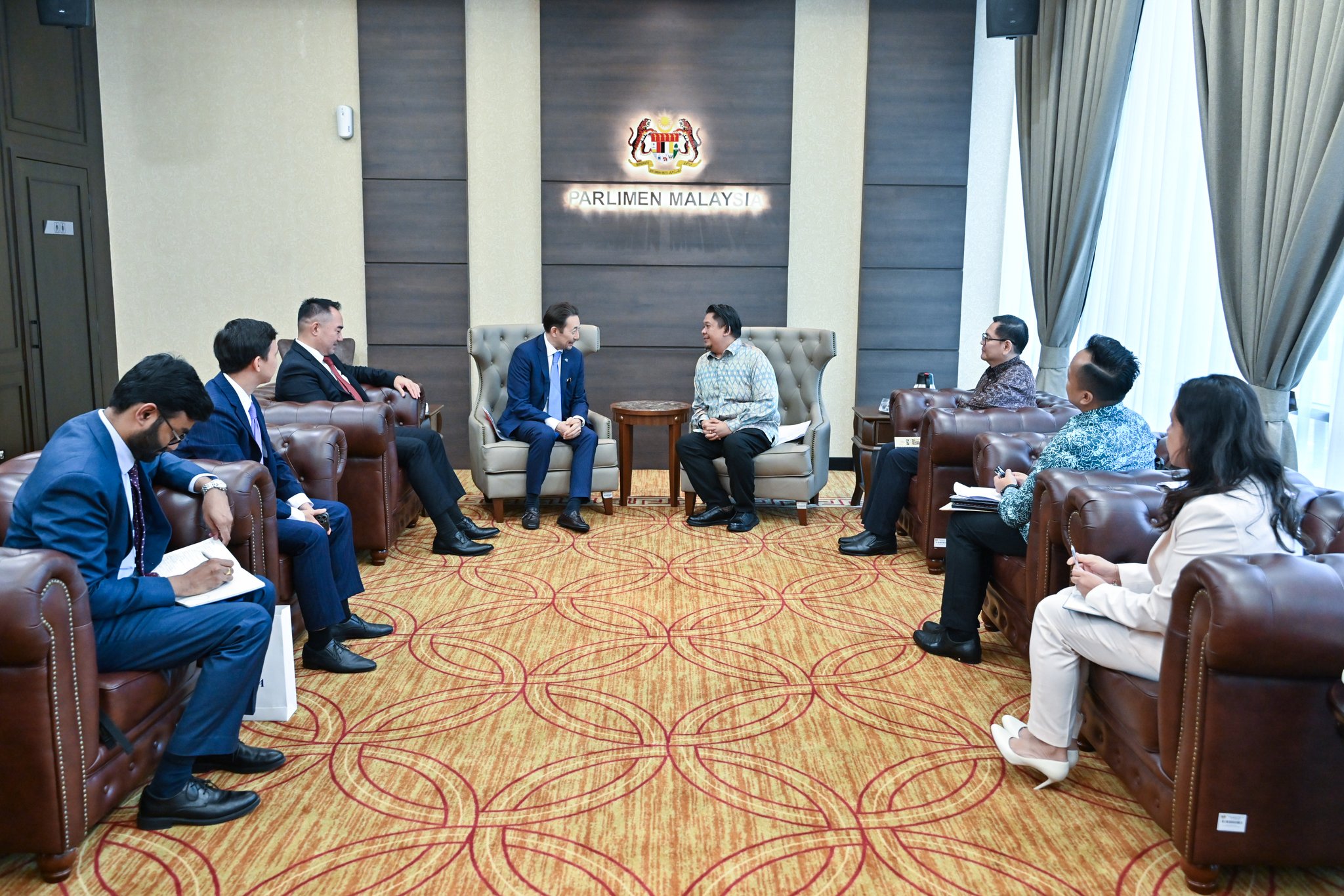
Куала-Лумпур, 19-23 января 2026 года — Во время своего рабочего визита в Малайзию Генеральный секретарь Совещания по взаимодействию и мерам доверия в Азии (СВМДА) Посол Кайрат Сарыбай провел серию консультаций на высоком уровне с должностными лицами правительства Малайзии, лидерами парламента и представителями ведущих стратегических аналитических центров, в ходе которых была подтверждена общая приверженность укреплению многостороннего диалога, межпарламентского взаимодействия и сотрудничества в рамках «второго трека» в целях поддержки мира, стабильности и устойчивого развития в Азии.
На встрече с заместителем Министра иностранных дел Малайзии Е.П. Луканисманом бин Аванг Сауни Генеральный секретарь отметил совпадение внешнеполитических целей Малайзии с целями и принципами СВМДА, сделав особый упор на центральную роль диалога и посредничества как эффективных механизмов поощрения стабильности, доверия и мирного сотрудничества во всей Азии. Он осветил приоритеты Председательства Азербайджана в СВМДА на 2024-2026 годы, а также рассказал о текущей трансформации СВМДА, которая продолжает укреплять его институциональный потенциал и роль в меняющейся региональной архитектуре. Напомнив о развитии СВМДА как инклюзивного межправительственного форума, которым управляют государства-члены и который действует на принципах добровольности и консенсуса, Генеральный секретарь заметил, что несколько стран АСЕАН уже являются членами СВМДА, и рассказал о дополнительных преимуществах, которые может дать полноправное членство, позволяя СВМДА и Малайзии извлекать пользу из более тесного взаимодействия руководящих, рабочих и консультативных структур организации.
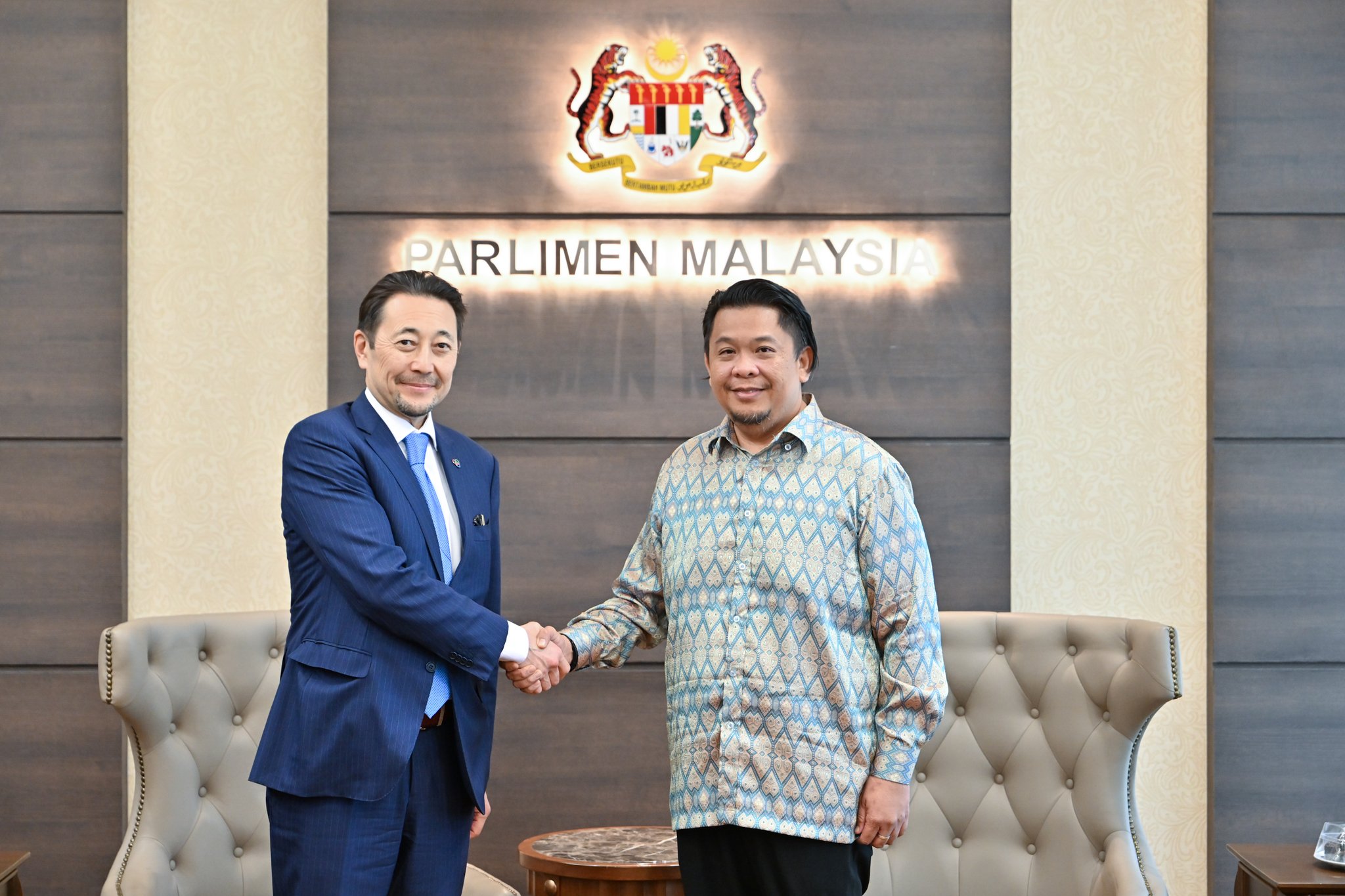
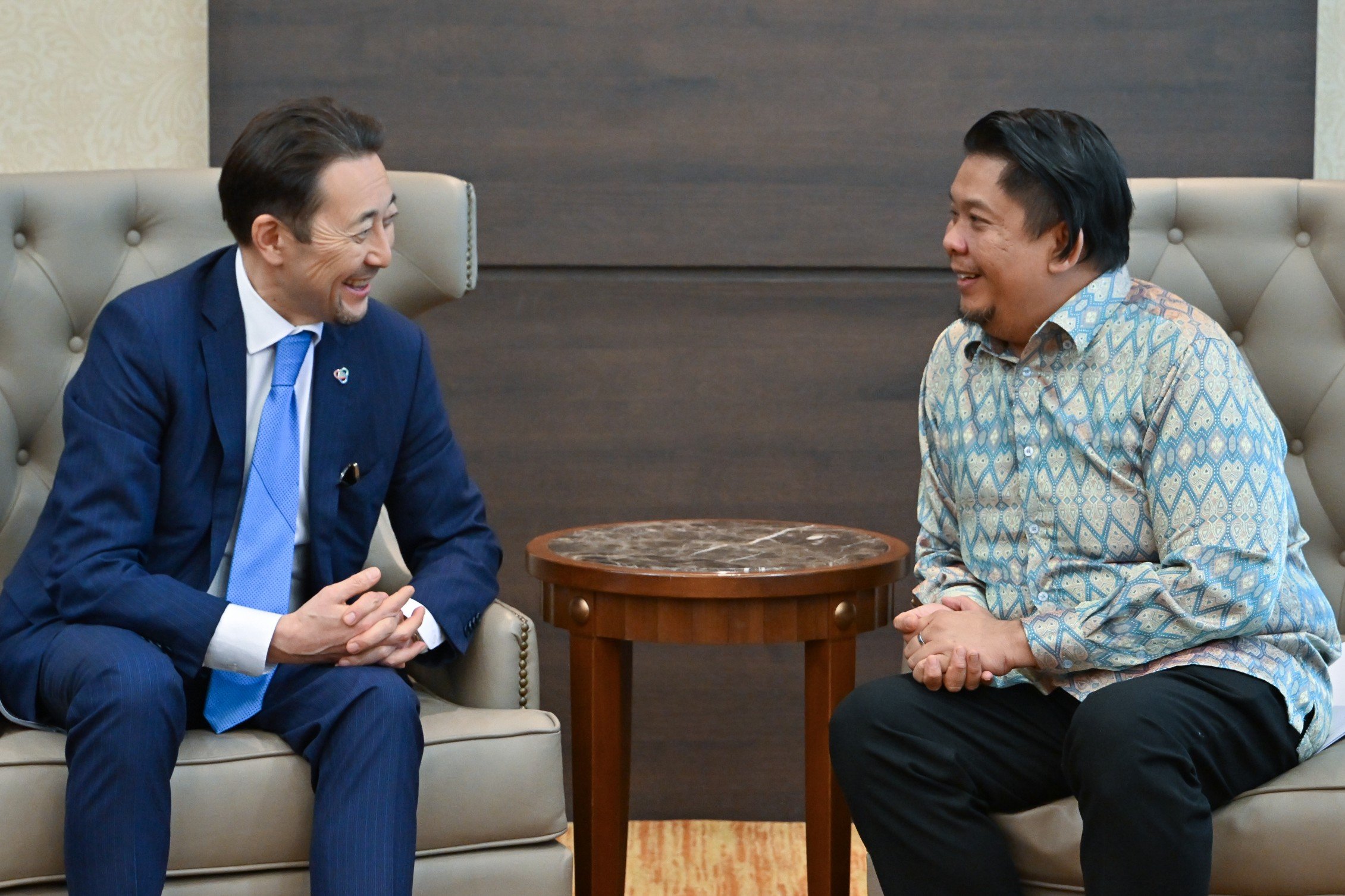
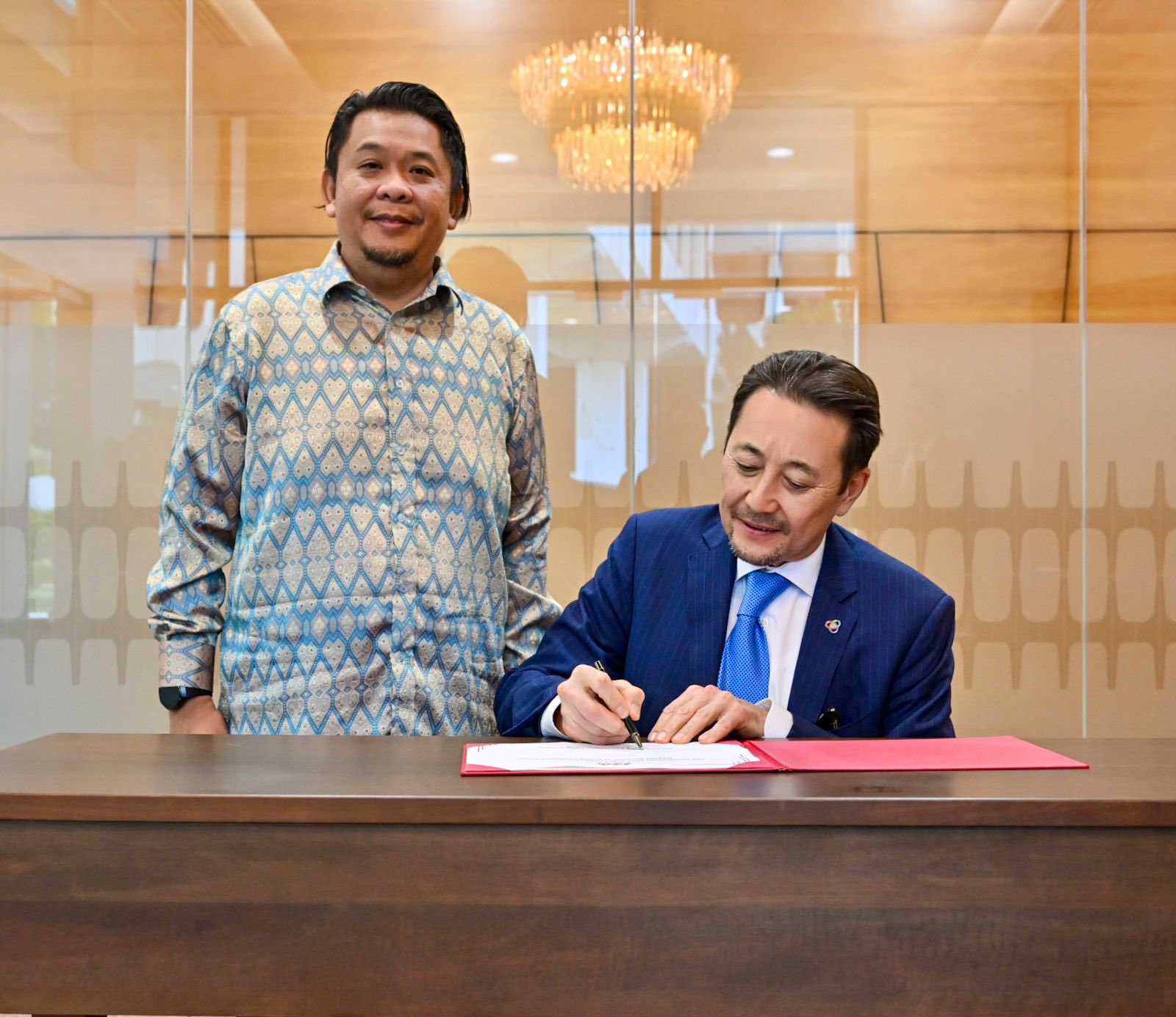
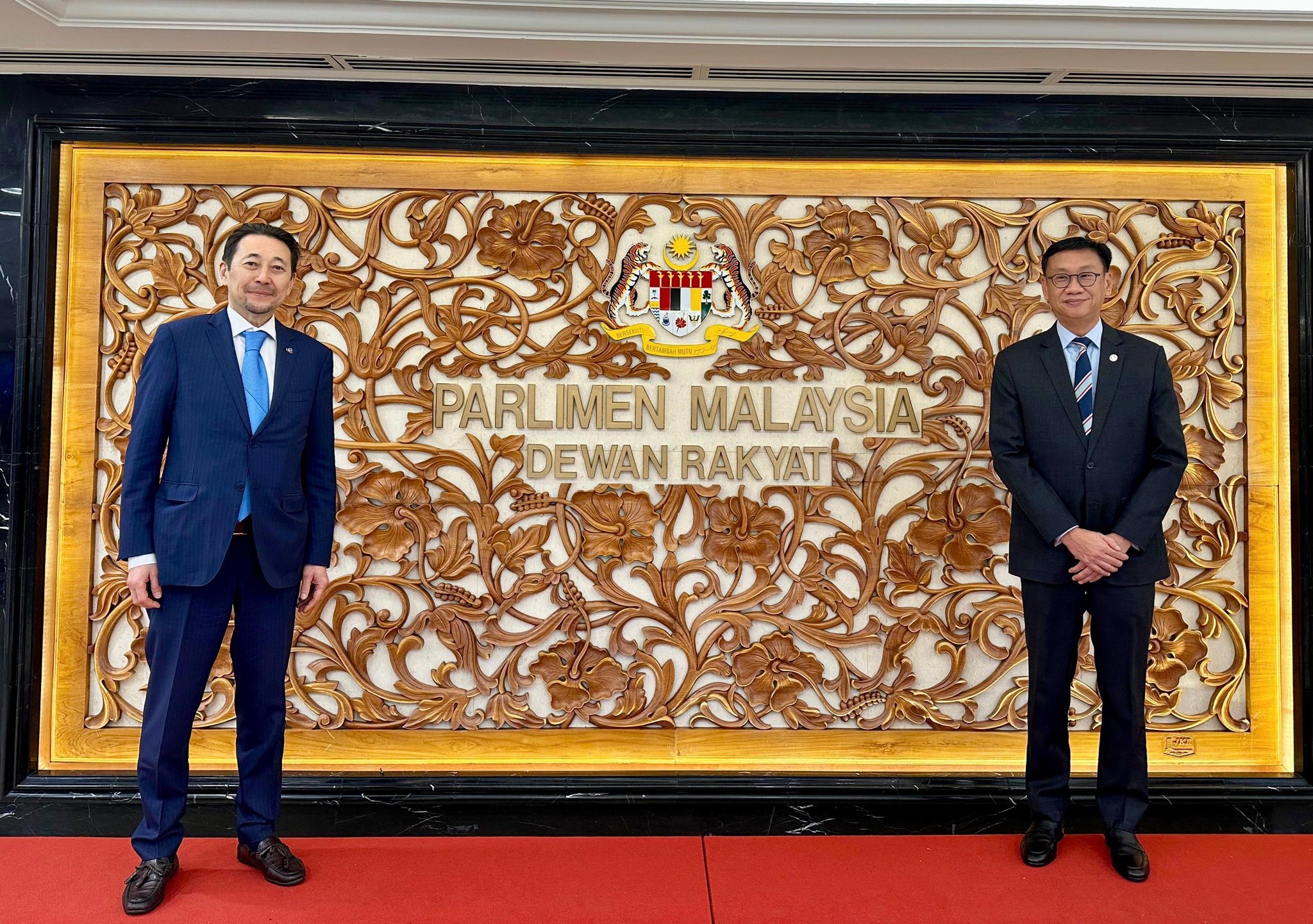
В продолжение рабочего визита Генеральный секретарь в рамках парламентского взаимодействия провел встречу с заместителем Председателя Сената Малайзии Нуром Джазланом Мохамедом, а также с членами парламентского руководства, в том числе с Председателем Комитета Палаты представителей по международным отношениям и торговле Вонгом Ченом. В ходе обмена мнениями была подчеркнута роль парламентской дипломатии и демократического управления в продвижении целей СВМДА, при этом особое внимание уделялось вкладу малых и средних предприятий в инклюзивное экономическое развитие и социальную устойчивость, а также значимому участию молодежи и женщин в общественной жизни. В этом контексте Генеральный секретарь ознакомил собеседников с работой Молодежного совета и недавно созданного Женского совета СВМДА как платформ, способствующих гражданской активности и подготовке будущих поколений к вызовам, связанным со стремительными технологическими изменениями, включая растущее влияние искусственного интеллекта и социальных сетей. Кроме того, в ходе обсуждений были рассмотрены инициативы СВМДА в области добровольчества, противодействия радикализации молодежи и мер доверия по борьбе с незаконным оборотом наркотиков. Эти направления, как отмечается, становятся все более актуальными для государств-членов СВМДА и региона АСЕАН в условиях повышенной неопределенности.
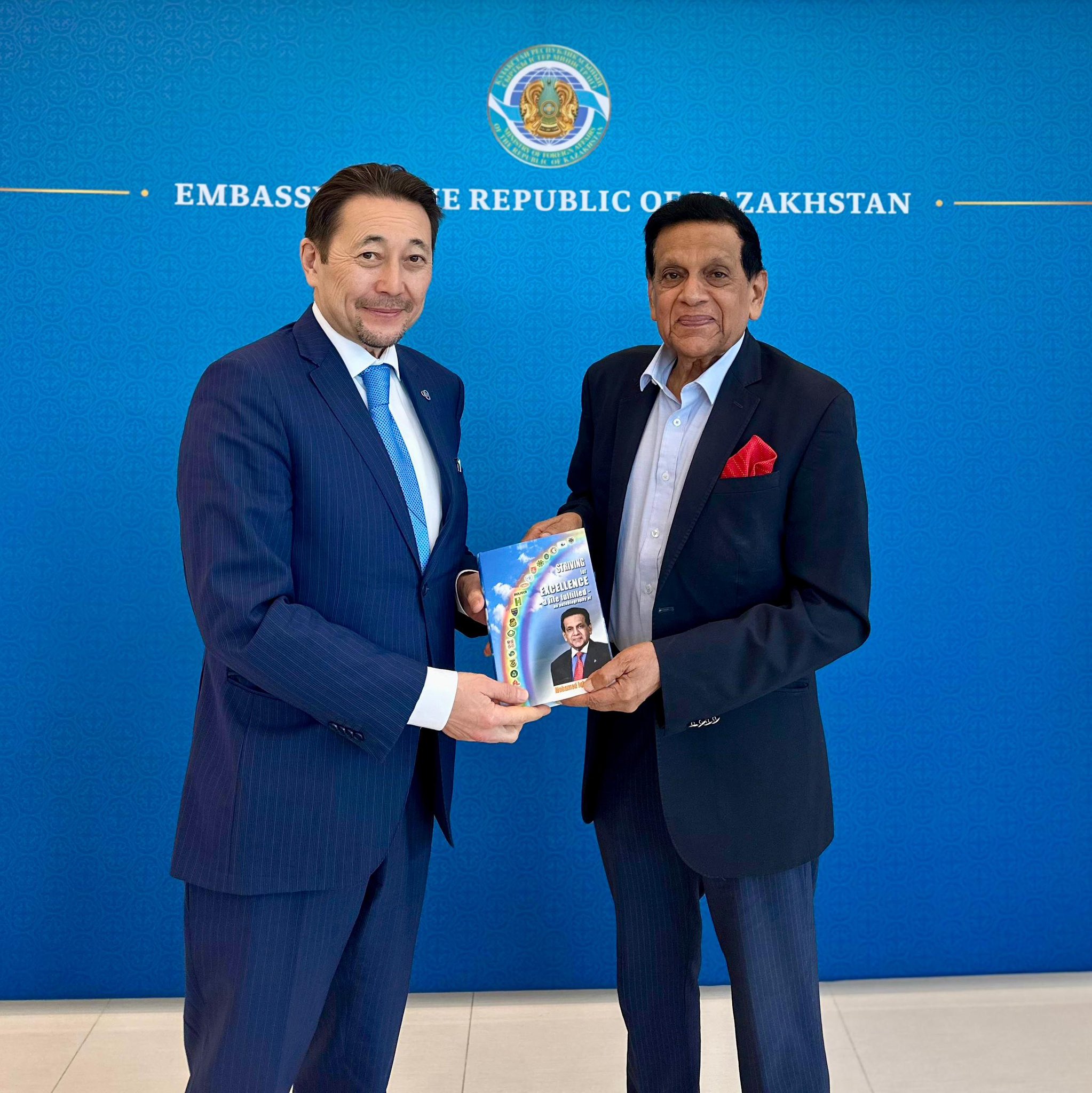
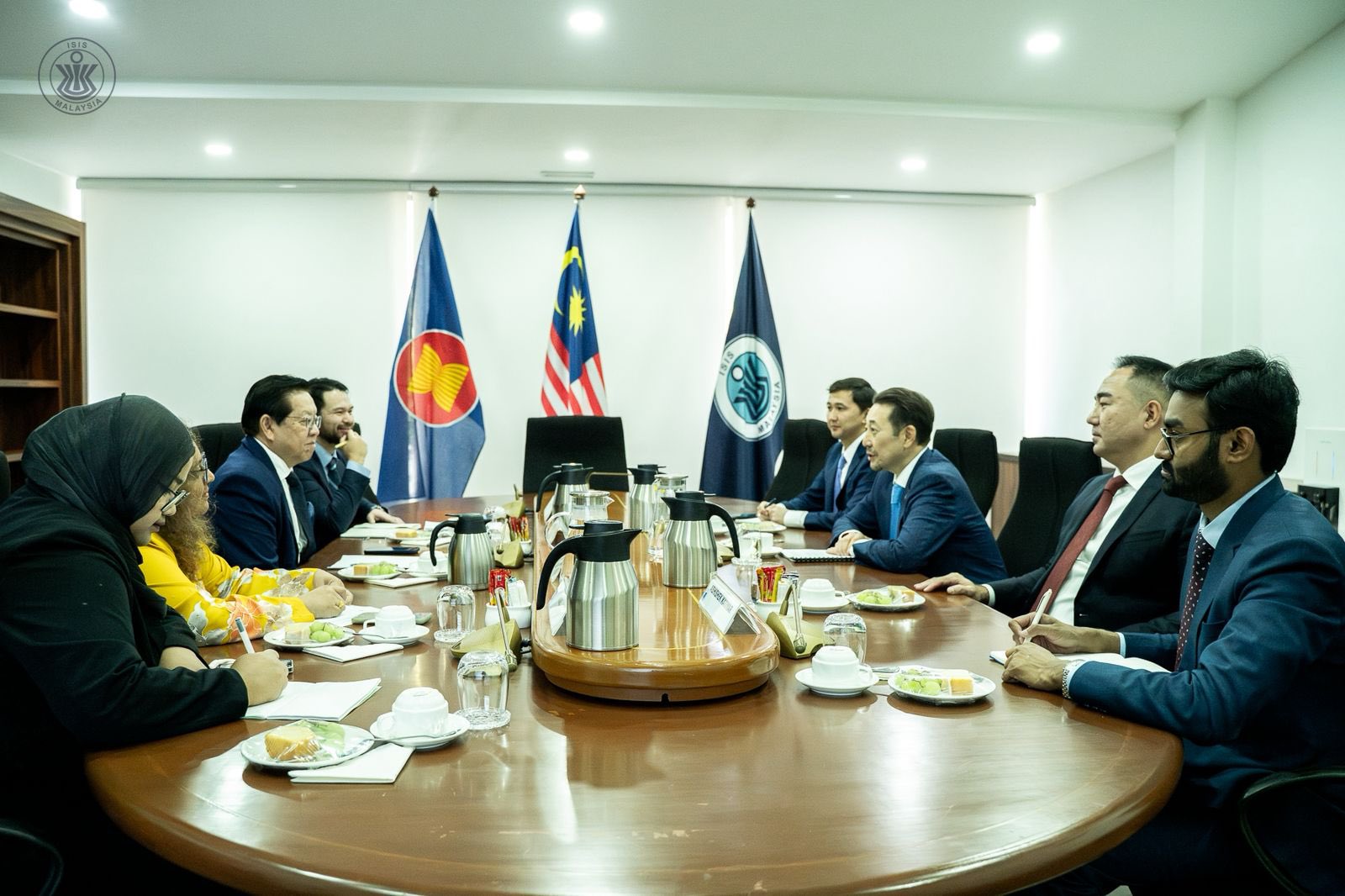
Генеральный секретарь также провел встречи с представителями ведущих институтов политических исследований Малайзии, в том числе с Председателем Института стратегических и международных исследований (ISIS) Малайзии и Советником Премьер-министра д-ром Мохдом Фаизом Абдуллой, а также с заместителем Председателя Стратегического института Куала-Лумпура и Президентом Глобального мусульманского бизнес-форума Икбалом Раутером. Дискуссии были посвящены роли аналитических центров в дипломатии «второго трека», вопросам инноваций в области политики и многовекторного сотрудничества, а также вопросам региональной стабильности, сотрудничества Юг-Юг и роли средних держав в укреплении многосторонности. Собеседники отметили имеющийся потенциал для активизации сотрудничества между регионами Юго-Восточной и Центральной Азии через СВМДА как многостороннюю площадку, действующую на основе диалога в условиях растущей геополитической неопределенности.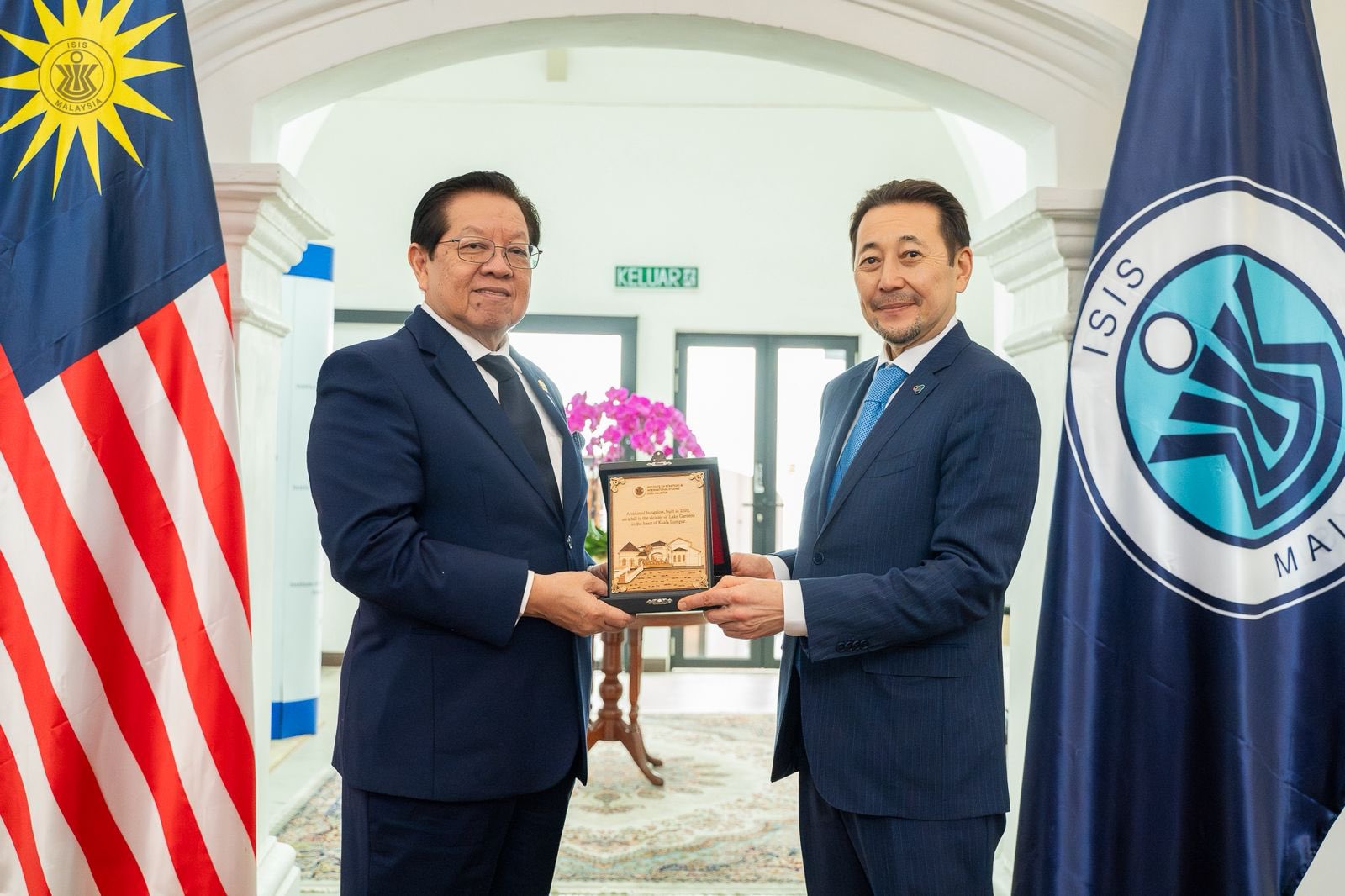
Эти встречи отражают неустанные усилия СВМДА по расширению и укреплению партнерских связей в Юго-Восточной Азии, а также по усилению своей роли как форума для построения доверия, инклюзивного сотрудничества и многостороннего взаимодействия между правительствами, парламентами и экспертами.

